Saving for a big purchase without sacrificing essentials requires budgeting, prioritizing needs, and using smart tools. According to the U.S. Bureau of Labor Statistics, American households spend nearly 33 percent of their income on housing and essentials, which makes balancing savings and necessities critical.
Build a Realistic Budget
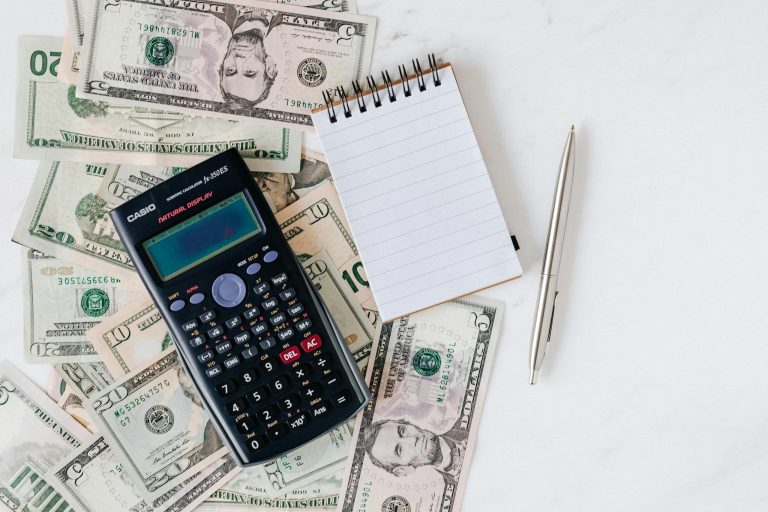
A budget is the foundation of any savings plan. It helps you see where money flows and separates needs from wants. Once you understand your spending patterns, you can make adjustments without touching essentials, and the following practices show how to do it.
- Track monthly expenses using apps or spreadsheets.
- Identify areas where small cuts will not affect essentials.
- Allocate savings as a fixed line item in your budget.
Use Separate Accounts
Keeping savings apart from everyday spending prevents accidental use. A dedicated account creates a mental boundary that protects your progress. To make this strategy effective, consider these steps.
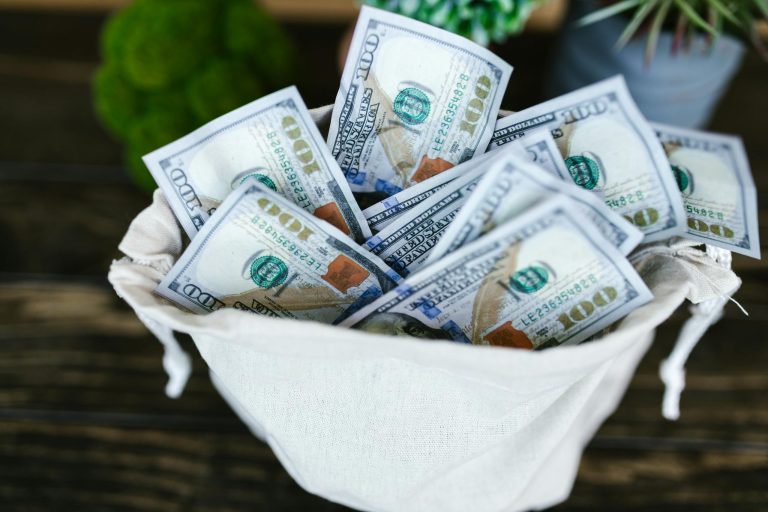
- Create a savings account labeled for the purchase.
- Schedule transfers right after payday.
- Avoid linking the account to debit cards.
Apply Automated Savings Tips
Consistency is the hardest part of saving. Automation removes the need for constant decision making and ensures steady progress. The following automated savings tips make automation simple and reliable.
- Set up automatic transfers from checking to savings.
- Use apps that round up purchases and save the difference.
- Schedule recurring deposits aligned with paydays.
Cut Costs Without Sacrificing Essentials
Saving does not mean giving up necessities. Instead, focus on trimming non essential spending that does not affect your quality of life. Here are practical ways to reduce costs while keeping essentials intact.
- Cook at home instead of dining out.
- Cancel unused subscriptions.
- Shop with coupons or during sales.
- Use public transportation when possible.
Earn Extra Income
Boosting income accelerates savings and reduces reliance on cutting expenses. Even small side earnings can add up quickly toward your goal. The following ideas show how to generate extra funds.
- Offer tutoring or freelance services online.
- Sell items through marketplaces.
- Take part time jobs during weekends.
Monitor Progress
Tracking progress keeps motivation high and ensures you stay on course. Regular reviews help you adjust contributions and celebrate milestones. These actions make monitoring both practical and rewarding.
- Check balances regularly.
- Use visual trackers like charts or apps.
- Reward yourself with small treats when goals are met.
Protect Against Emergencies
Emergencies can derail savings if you are not prepared. Building a separate emergency fund ensures essentials remain covered during unexpected events. The following steps strengthen your safety net.
- Save three to six months of expenses.
- Keep emergency funds in a liquid account.
- Avoid using purchase savings for emergencies.
Saving for a big purchase without sacrificing essentials requires planning, discipline, and smart tools. Essentials like housing and food must remain protected, while discretionary spending can be adjusted. By defining goals, building budgets, separating accounts, and applying automation, you create a sustainable path to success. With one third of household income already dedicated to essentials, strategies like cutting non essential costs, earning extra income, and protecting against emergencies are vital. With patience and consistency, you can achieve your big purchase while maintaining financial stability.