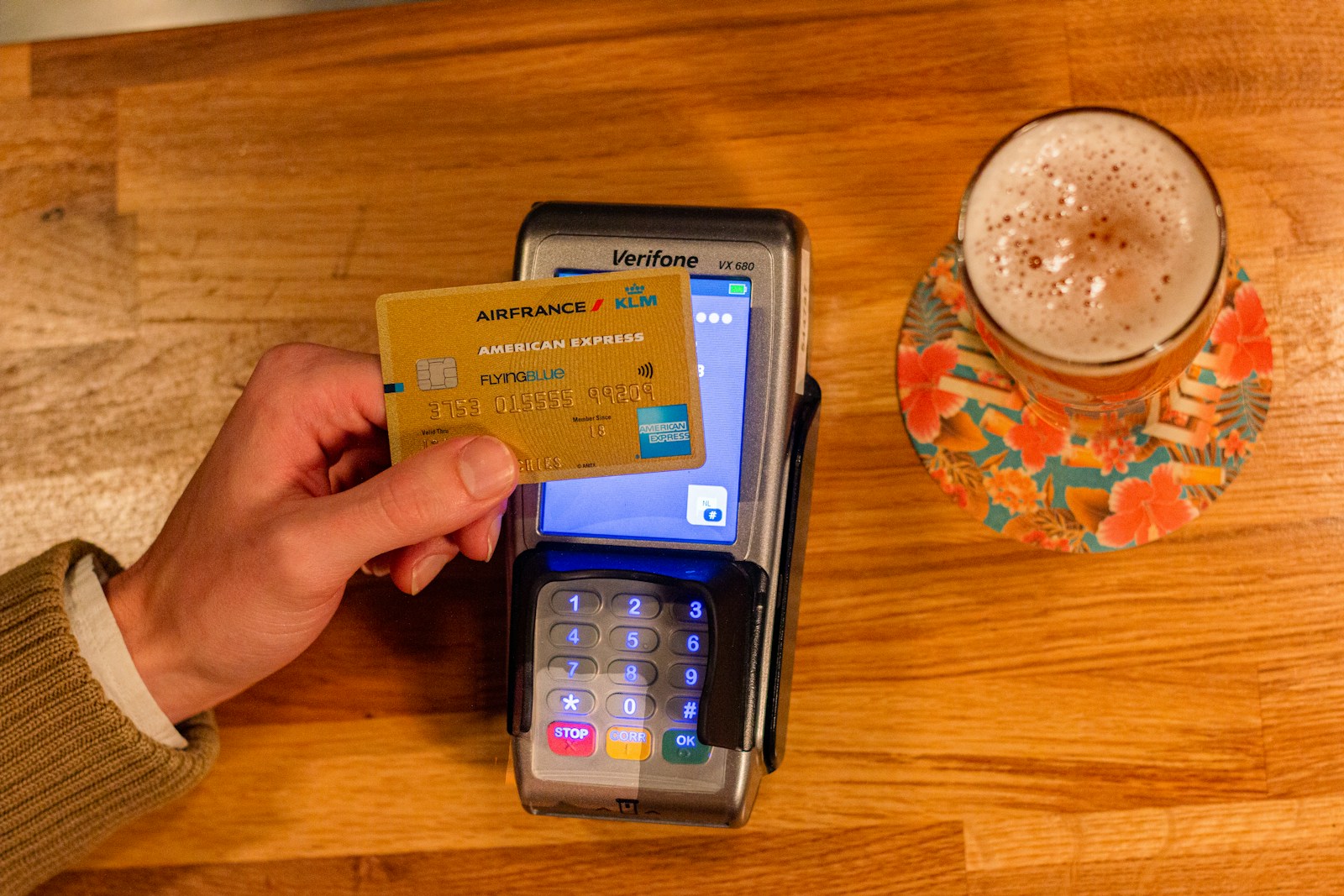
Seasonal expenses often challenge household budgets, especially during holidays and vacations when spending naturally increases. Effective seasonal budgeting ensures financial stability while allowing families to enjoy celebrations and travel. This guide explains practical strategies for managing seasonal costs without creating debt or financial stress.
Identify Seasonal Spending Patterns
The first step in seasonal budgeting is identifying recurring expenses that occur during holidays and vacations. These may include gifts, travel, dining, and entertainment. Reviewing past statements helps highlight spending patterns and anticipate future costs. Awareness of seasonal expenses allows households to plan ahead and allocate resources effectively.
Set Clear Financial Goals
Budgeting requires clear financial goals that guide spending decisions. Families should determine how much they want to spend during holidays and vacations. Establishing limits ensures celebrations remain enjoyable without creating financial strain. Goals should align with broader financial priorities such as savings, debt reduction, and emergency funds.
Create a Dedicated Seasonal Fund
Establishing a dedicated seasonal fund provides structure and accountability. Setting aside money each month ensures resources are available when seasonal expenses arise. This approach prevents reliance on credit cards or loans. A seasonal fund creates peace of mind and supports responsible financial management.
Automate Savings Contributions
Automating contributions to a seasonal fund ensures consistency and discipline. Automatic transfers from checking accounts reduce the risk of missed deposits. This habit builds savings gradually and prepares households for upcoming expenses. Automation simplifies financial management and reinforces responsible budgeting practices.
Prioritize Essential Expenses
Seasonal budgeting requires prioritizing essential expenses before discretionary spending. Travel, lodging, and food often represent necessary costs during holidays and vacations. Gifts and entertainment may be adjusted based on available resources. Prioritization ensures critical needs are met while maintaining financial stability. Responsible allocation supports long‑term financial health.
Plan Purchases in Advance
Planning purchases in advance reduces impulse spending and maximizes value. Consumers should research prices, compare options, and schedule purchases strategically. For example, buying gifts during sales periods reduces costs. Planning travel early often secures better rates for flights and accommodations. Advance planning ensures seasonal expenses remain manageable.
Use Cash or Debit for Discretionary Spending
Using cash or debit cards for discretionary spending provides accountability and limits overspending. This approach ensures households remain within budget while enjoying celebrations. Cash transactions create tangible awareness of spending and reinforce discipline. Debit cards provide similar benefits while maintaining convenience.
Monitor Credit Card Use
Credit cards provide convenience but can create debt if not managed carefully. Households should use credit cards strategically for planned purchases and rewards. Paying balances in full each month prevents interest charges. Monitoring credit card use ensures seasonal expenses remain beneficial rather than burdensome.
Incorporate Rewards Programs
Many credit cards and retailers offer rewards programs that enhance seasonal spending. Using rewards for planned purchases increases value without additional cost. For example, points may be redeemed for travel or merchandise. Incorporating rewards programs into seasonal budgeting provides consistent benefits. Awareness of redemption policies ensures rewards deliver maximum value.
Track Expenses Regularly
Tracking expenses during holidays and vacations ensures households remain within budget. Reviewing statements and receipts provides transparency and accountability. Digital tools and apps simplify tracking by categorizing expenses automatically. Regular monitoring highlights areas where adjustments may be necessary. Tracking reinforces discipline and supports financial stability.
Adjust Budgets for Changing Circumstances
Seasonal expenses may vary from year to year based on circumstances. Families should adjust budgets to reflect changes in income, travel plans, or household needs. Flexibility ensures budgets remain realistic and effective. Adjustments prevent overspending and maintain financial health. Awareness of changing circumstances supports responsible management.
Communicate with Family Members
Budgeting requires cooperation among family members. Open communication ensures everyone understands financial goals and limitations. Discussing budgets before holidays and vacations prevents misunderstandings and encourages shared responsibility. Family cooperation strengthens discipline and supports long‑term financial success. Transparency creates trust and accountability.
Balance Enjoyment with Responsibility
Seasonal budgeting should balance enjoyment with financial responsibility. Families should allocate resources for meaningful experiences while maintaining discipline. Celebrations and vacations remain enjoyable when managed within budget constraints. Responsible spending ensures households avoid debt and preserve financial stability. Balance supports both happiness and security.
Integrate Seasonal Budgeting into Annual Planning
Seasonal budgeting should be part of broader annual financial planning. Including holiday and vacation expenses in yearly budgets ensures comprehensive management. Annual planning provides perspective and highlights opportunities for savings. Integration reinforces discipline and supports long‑term financial goals. Seasonal budgeting becomes a natural component of overall financial health.
Consider Alternative Celebrations
Households may explore alternative celebrations that reduce costs while maintaining enjoyment. For example, hosting potluck gatherings or exchanging handmade gifts lowers expenses. Alternative celebrations provide meaningful experiences without financial strain. Creativity ensures holidays remain memorable while supporting responsible budgeting. Exploring alternatives strengthens financial resilience.
Evaluate Travel Options Carefully
Travel often represents a significant seasonal expense. Families should evaluate options carefully to maximize value. Comparing transportation methods, lodging choices, and destinations ensures cost‑effective decisions. Awareness of travel expenses prevents overspending and supports financial stability. Responsible evaluation ensures vacations remain enjoyable and affordable.
Seasonal budgeting provides structure and discipline that protect households from financial stress during holidays and vacations. Identifying spending patterns, setting goals, and creating dedicated funds ensure resources remain available. Automating savings, prioritizing essential expenses, and planning purchases in advance reinforce responsible management. Using cash, monitoring credit cards, and incorporating rewards programs maximize value. Tracking expenses, adjusting budgets, and communicating with family members strengthen accountability. Balancing enjoyment with responsibility ensures celebrations remain meaningful without creating debt. Integrating seasonal budgeting into annual planning supports long‑term financial health. Exploring alternative celebrations and evaluating travel options carefully further enhance outcomes. Effective seasonal budgeting allows families to enjoy holidays and vacations while maintaining financial stability. Responsible management ensures households achieve both happiness and security during periods of celebration and vacation planning.