Borrowing money is more than a financial transaction. It is a psychological decision shaped by emotions, expectations, and social influences. People often think about loans in terms of numbers, but the real story lies in how those numbers interact with human behavior. Understanding the psychology of borrowing decisions helps explain why people take on debt and how they can make smarter choices.
Loans often feel like opportunities rather than obligations. Borrowers see them as tools to achieve goals – buying a home, starting a business, or paying for education. The sense of opportunity creates excitement, which can overshadow caution. This emotional framing makes borrowing feel positive, even when risks exist.
The Role of Social Pressure
Social influence plays a powerful role in borrowing decisions. People compare themselves to peers who own homes, drive new cars, or pursue higher education. Borrowing becomes a way to keep up with social expectations. This pressure can lead individuals to take loans they cannot comfortably afford. Recognizing social influence helps borrowers pause and evaluate whether debt aligns with personal goals.
How Emotions Shape Borrowing Choices
Emotions often drive borrowing decisions more than logic. Excitement about a new purchase or relief from financial stress can push people toward loans. Fear of missing out also plays a role. Borrowers may rush into agreements without fully considering long‑term consequences. Emotional awareness is essential for making balanced borrowing choices.
Cognitive Biases That Influence Borrowing
Borrowers are subject to cognitive biases that distort decision‑making. Optimism bias makes people believe they will repay loans easily. Present bias causes them to prioritize immediate rewards over future costs. Anchoring bias leads them to focus on advertised interest rates without considering hidden fees. These biases explain why borrowers sometimes make choices that appear irrational.
The Comfort of Structured Processes
Borrowers often feel reassured by structured loan processes. Applications, approvals, and repayment schedules provide a sense of order. This structure reduces anxiety and makes borrowing feel manageable. For example, the loan pre approval process gives borrowers confidence by showing them what they qualify for before shopping for homes or cars. Structured steps transform borrowing from uncertainty into a guided path.
Risk Perception and Borrowing Behavior
Perception of risk varies widely among borrowers. Some view loans as manageable tools, while others see them as dangerous traps. Risk perception depends on past experiences, financial literacy, and cultural attitudes. Borrowers who underestimate risk may take on excessive debt. Those who overestimate risk may avoid loans entirely, missing opportunities for growth. Balanced risk perception leads to healthier borrowing behavior.
The Influence of Marketing and Messaging
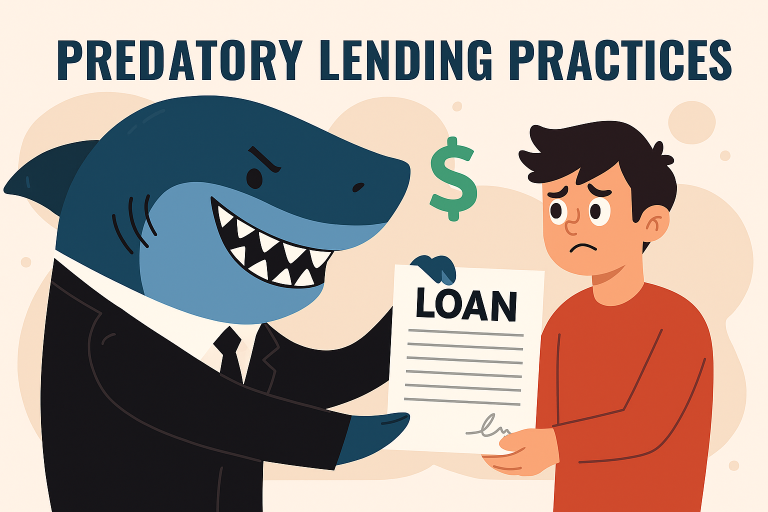
Loan advertisements often highlight benefits while downplaying risks. Phrases like “low monthly payments” or “quick approval” appeal to emotions. Marketing shapes borrowing psychology by framing loans as easy solutions. Borrowers must look beyond advertising to evaluate true costs. Awareness of marketing influence helps individuals resist persuasive tactics and make informed decisions.
Borrowing and Identity
Borrowing decisions often connect to identity. People see loans as reflections of success, independence, or responsibility. A mortgage may symbolize stability, while a business loan represents ambition. Identity framing makes borrowing feel personal, not just financial. This connection can motivate responsible repayment but also encourage risky borrowing to maintain self‑image.
The Role of Financial Literacy
Financial literacy significantly impacts borrowing psychology. Borrowers with strong knowledge evaluate interest rates, fees, and repayment terms carefully. Those with limited literacy may focus only on immediate affordability. Education empowers borrowers to make informed choices and resist emotional or social pressures. Improving financial literacy is one of the most effective ways to strengthen borrowing decisions.
Technology and Borrowing Behavior
Digital platforms have changed how people borrow. Online applications, instant approvals, and mobile tracking make loans more accessible. Technology reduces barriers but also increases temptation. Borrowers may apply impulsively because the process feels easy. Awareness of technology’s influence helps individuals slow down and evaluate decisions carefully.
Strategies for Smarter Borrowing
Borrowers can adopt strategies to improve decision‑making:
- Pause before committing: Take time to evaluate long‑term consequences.
- Compare multiple offers: Reviewing different lenders prevents bias toward the first option.
- Focus on total cost: Look beyond monthly payments to understand overall debt impact.
- Seek advice: Talking with financial advisors or trusted peers adds perspective.
These strategies encourage thoughtful borrowing and reduce the influence of emotions or biases.
Cultural Differences in Borrowing Psychology
Cultural attitudes toward debt vary across societies. In some cultures, borrowing is seen as normal and necessary. In others, debt carries stigma and shame. These cultural differences shape how individuals approach loans. Understanding cultural context provides insight into borrowing behavior across diverse populations.
Borrowing decisions are shaped by emotions, social pressure, cognitive biases, and identity. Structured processes like the loan pre approval process provide reassurance, while marketing and technology influence behavior. Financial literacy, cultural attitudes, and risk perception all play critical roles. By recognizing these psychological factors, borrowers can make smarter choices and use loans as tools for growth rather than traps.