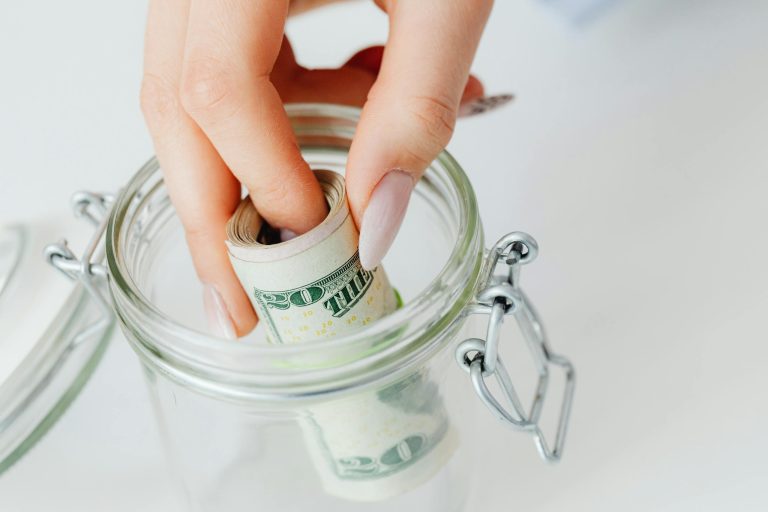
Most people check their bank balance when they are anxious about money, not on a set schedule. That reactive pattern means problems only become visible after they have already grown. A monthly money check-in flips that dynamic completely. You look at your finances on your own terms, on a schedule you control, and that single habit changes how you experience and relate to your own financial life over time.
The check-in does not need to consume your evening. Thirty to forty-five minutes done consistently once per month is enough to get a clear picture of what happened and set a useful direction for what comes next. The goal is not perfection. The goal is consistent awareness.
What to Review in the First Half
Start with income. Did every expected source arrive as anticipated? Confirm no deposits were missed and no automatic transfers failed silently. Then move through your fixed expenses line by line. Subscriptions renew without warning, insurance premiums adjust at renewal, and streaming services raise prices with a quiet email most people never read. Catching those changes during your check-in keeps your budget numbers accurate rather than gradually wrong.
Next, review your variable spending category by category. Food, transportation, entertainment, personal care, clothing, household items, and anything else that fluctuates month to month. Compare what you actually spent against what you planned and note where the gaps are widest. The purpose here is not self-criticism. It is pattern recognition. Consistent overspending in one category month after month means the budget number for that category is wrong, not that your discipline is uniquely weak.
Technology makes this review significantly faster than it used to be. Connecting your accounts to a budgeting app means your transactions are already categorized before your check-in session begins. The comparison of budget apps covers the leading options available right now and helps you find one that fits how you actually want to manage money day to day rather than the one that looked best in a review article.
Setting Intentions for the Month Ahead
The second half of your check-in is entirely forward-looking and arguably more valuable than the review. Open your calendar and scan the coming month for anything that will affect your spending. A birthday, a car service appointment, a medical follow-up, a quarterly insurance bill, a planned trip. Add each of those to your spending plan for the month before it starts so none of them arrive as surprises that blow your budget mid-month.
Then set one or two specific spending intentions for the coming month. Not a rigid list of prohibitions but a positive direction. Something concrete like deciding to cook at home at least four nights each week, canceling one subscription you have not used in thirty days, or parking the online shopping cart for 24 hours before completing any non-essential purchase. Small, deliberate shifts made consistently across twelve months produce results that feel significant by the end of the year.
Making the Check-In a Habit That Lasts
Pick one specific time each month and add it to your calendar as a recurring appointment. The last Sunday of the month works well for many people because it allows reflection on the month just ending and planning for the one beginning. Pair the check-in with something you genuinely enjoy. A cup of good coffee, your preferred music in the background, or a comfortable spot you do not usually sit. Making the experience pleasant reduces the friction that causes people to skip it.
If you share finances with a partner, do the check-in together rather than one person reporting findings to the other. Shared visibility creates shared ownership of the decisions. It also reduces the resentment that tends to build when one person feels responsible for monitoring money that both people spend. Keep the conversation focused on the numbers and the next steps rather than assigning responsibility for why things went over last month.
Over time, your monthly check-in becomes a source of clarity rather than anxiety. You start understanding your own patterns instead of being surprised by them. You catch problems early when they are easy to fix. You walk into each month with an actual plan rather than a vague intention, and that distinction matters more than most people realize until they have experienced both.
The check-in habit is also one of the fastest ways to identify recurring money leaks that are invisible on a transaction-by-transaction basis but visible when you look at a full month of a category at once. Most people who start this habit discover at least one spending pattern they did not realize existed. Discovering it is the first step to deciding whether it reflects a priority or simply a habit you have been funding without intention.