Gig work offers freedom, independence, and the ability to choose projects. Yet it also brings financial challenges, especially when income fluctuates. Traditional loans often assume steady paychecks, which makes qualifying difficult for freelancers, contractors, and side hustlers. The good news is that loan options exist specifically designed to support gig workers. Let’s explore the best choices, how they work, and how to use them wisely.
Why Gig Workers Struggle With Loans
Banks and lenders prefer predictable income. Gig workers rarely fit that mold. Income may spike one month and drop the next. This irregularity makes lenders cautious, often leading to higher interest rates or stricter requirements. Understanding why lenders hesitate helps gig workers prepare stronger applications.
Personal Loans: Flexible but Requires Proof
Personal loans are one of the most accessible options for gig workers. They can be used for almost anything—debt consolidation, equipment purchases, or emergency expenses. Lenders usually require proof of income, which can be tricky for freelancers. Providing tax returns, bank statements, and client contracts strengthens applications. Personal loans offer flexibility but demand careful documentation.
Business Loans: For Freelancers Who Scale
Gig workers who treat their work as a business may qualify for small business loans. These loans support growth, equipment upgrades, or marketing campaigns. Lenders often require business plans and financial records. Gig workers who establish themselves as sole proprietors or LLCs improve eligibility. Business loans provide larger amounts but require more preparation.
Credit Builder Loans: Strengthening Financial Profiles
Credit builder loans help gig workers improve credit scores. Lenders deposit loan amounts into savings accounts, and borrowers make monthly payments. Once the loan is repaid, funds are released. This process builds credit history, making future loans easier to secure. Credit builder loans are ideal for gig workers new to borrowing.
Secured Loans: Using Assets as Collateral
Secured loans require collateral, such as vehicles or savings accounts. Gig workers with valuable assets may find these loans easier to obtain. Collateral reduces lender risk, which often results in lower interest rates. The downside is the risk of losing assets if payments are missed. Secured loans provide access to funds but require caution.
Peer‑to‑Peer Lending: Community‑Driven Support
Peer‑to‑peer lending platforms connect borrowers directly with investors. Gig workers benefit from flexible terms and faster approvals. These platforms often consider alternative data, such as client reviews or online reputation. Peer‑to‑peer loans provide community‑driven support but may carry higher interest rates. Transparency and careful comparison are essential.
Lines of Credit: Managing Cash Flow
Lines of credit offer revolving access to funds. Gig workers can borrow when needed and repay gradually. This option is useful for managing cash flow during slow months. Interest applies only to borrowed amounts, making it cost‑effective. Lines of credit provide flexibility but require discipline to avoid overuse.
Payday Alternatives: Avoiding Predatory Loans
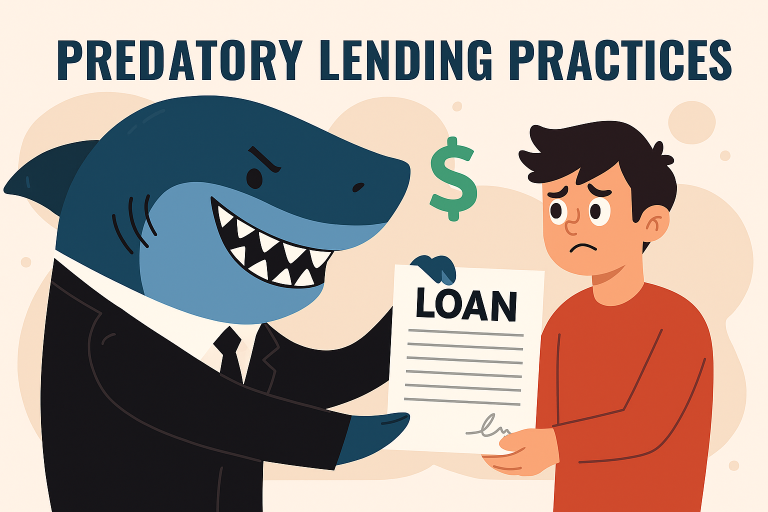
Gig workers sometimes turn to payday loans during emergencies. These loans carry extremely high interest rates and fees. Safer alternatives include credit union small‑dollar loans or employer‑based advances. Avoiding payday loans protects financial health and prevents debt spirals. Gig workers should explore alternatives before resorting to predatory lenders.
Budgeting Challenges With Irregular Income
Loans only solve part of the problem. Gig workers must also manage unpredictable earnings. This is where budgeting with irregular income becomes essential. Creating flexible budgets, setting aside emergency funds, and tracking expenses help stabilize finances. Budgeting ensures that loan repayments remain manageable even when income fluctuates.
Technology Tools for Gig Workers
Technology simplifies loan management. Apps track spending, automate payments, and provide reminders. Online platforms allow gig workers to compare loan options quickly. Digital tools reduce stress and improve financial organization. Using technology ensures that loans support growth rather than create burdens.
The Psychology of Borrowing as a Gig Worker
Borrowing feels different for gig workers. Loans provide security during uncertain times but can also create anxiety. Understanding the psychology of borrowing helps freelancers make balanced decisions. Viewing loans as tools rather than burdens encourages responsible use. Confidence grows when borrowing aligns with long‑term goals.
A Freelance Designer’s Loan Journey
Consider a freelance designer who needs new equipment. Traditional banks reject the application due to irregular income. The designer turns to a peer‑to‑peer platform, secures funding, and repays successfully. This case shows how alternative loans empower gig workers when traditional options fail.
Strategies for Choosing the Right Loan
Gig workers should adopt strategies to select loans wisely:
- Compare multiple lenders: Rates and terms vary widely.
- Check eligibility requirements: Prepare documents before applying.
- Avoid unnecessary borrowing: Only borrow what is needed.
- Plan repayment carefully: Align payments with income cycles.
These strategies reduce risk and improve financial stability.
The Role of Credit Unions
Credit unions often provide friendlier loan options for gig workers. They focus on community support and may offer lower rates. Membership requirements vary, but benefits often outweigh restrictions. Credit unions provide personalized service that traditional banks may lack.
Loans for the Future of Work
As gig work grows, lenders are adapting. New products consider alternative data, such as digital platforms and client reviews. Future loans may rely less on traditional credit scores. Gig workers should stay informed about evolving options. The future of borrowing looks more inclusive and flexible.
Gig workers face challenges when borrowing due to irregular income. Personal loans, business loans, credit builder loans, secured loans, peer‑to‑peer lending, and lines of credit all provide options. Payday alternatives protect against predatory practices. The phrase budgeting with irregular income highlights the importance of managing finances alongside borrowing. Technology, psychology, and community support all play roles in successful loan use. By choosing wisely and planning carefully, gig workers can access funds, grow businesses, and maintain financial stability.