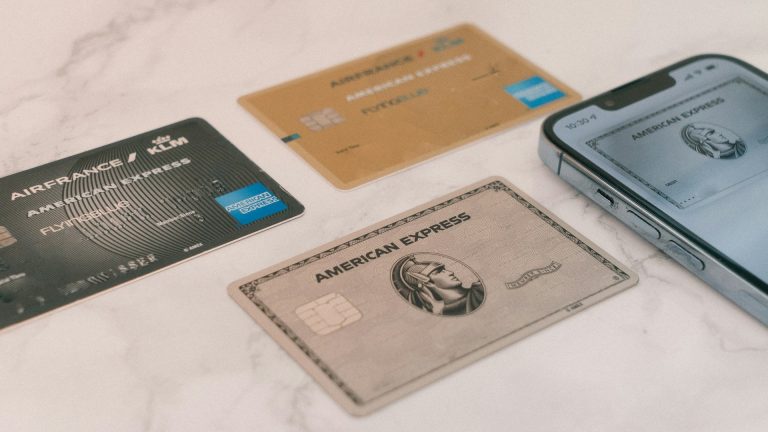
Credit cards can be powerful financial tools when used responsibly, but misinformation often leads consumers to make mistakes that damage their credit standing. By separating fact from fiction, you can avoid costly errors and maintain a strong financial profile. Below are the most common myths that hurt credit scores and the truths behind them.
Myth 1: Carrying a Balance Improves Your Score
Many people believe that carrying a balance from month to month helps their credit score. In reality, carrying a balance only increases interest charges and does not improve your score. Paying your balance in full each month demonstrates responsible credit use and keeps your utilization ratio low, which is one of the most important credit score impact factors.
Myth 2: Closing Old Accounts Boosts Your Score
Closing old accounts may seem like a way to simplify finances, but it can shorten your credit history and reduce your available credit. Both of these changes can lower your score. Keeping older accounts open, even if you rarely use them, strengthens your profile by showing long‑term responsible management.
Myth 3: Applying for Multiple Cards Quickly Builds Credit
Some consumers think that applying for several cards at once will quickly establish credit. In reality, each application triggers a hard inquiry, which can temporarily lower your score. Multiple inquiries in a short period may signal risk to lenders. It is better to apply strategically, focusing on cards that match your spending habits and financial goals.
Myth 4: Minimum Payments Are Enough
Paying only the minimum due each month keeps your account in good standing, but it does not reduce your balance significantly and leads to high interest charges. More importantly, high balances relative to your credit limit can hurt your utilization ratio, which is a key scoring factor.
Myth 5: Checking Your Score Hurts It
Another misconception is that checking your own credit score lowers it. In reality, personal credit checks are considered “soft inquiries” and do not affect your score. Only “hard inquiries,” such as those made by lenders during applications, can have a temporary impact. Monitoring your score regularly is a smart way to stay informed and catch errors early.
Myth 6: Using Cash Instead of Credit Protects Your Score
Avoiding credit cards altogether may seem safe, but not using credit means you are not building a credit history. Lenders want to see evidence of responsible credit use. Without it, you may struggle to qualify for loans or face higher interest rates.
Myth 7: All Debt Is Equal
Credit card debt is often viewed the same as other types of debt, but scoring models treat them differently. Revolving debt, such as credit cards, has a greater impact on utilization ratios compared to installment loans like mortgages or auto loans. Carrying high balances on credit cards can be more damaging than having a large mortgage with consistent payments.
Myth 8: Paying Late Once Does Not Matter
Some believe that a single late payment will not affect their score. In reality, payment history is the most significant factor in credit scoring. Even one missed payment can remain on your report for up to seven years. Consistency is key: always pay on time to protect your score.
Myth 9: Credit Scores Are Fixed
A final myth is that credit scores are static and cannot be improved. In truth, scores are dynamic and respond to changes in your financial behavior. Paying down debt, reducing utilization, and maintaining on‑time payments can steadily raise your score over time.
According to the Federal Trade Commission, one in five consumers has an error on at least one of their credit reports. This statistic highlights the importance of checking your reports regularly and disputing inaccuracies that could unfairly lower your score..
Practical Steps to Protect Your Score
- Pay balances in full whenever possible.
- Keep old accounts open to maintain credit history.
- Apply for new cards strategically, not impulsively.
- Monitor your credit reports for errors.
- Avoid carrying high balances relative to your limits.
Credit card myths can lead to costly mistakes that harm your financial future. Carrying balances, closing accounts, or relying on minimum payments are all misconceptions that weaken your score. By understanding the truth and focusing on responsible habits, you can build a strong credit profile that supports your goals. Remember that credit scores are dynamic, and with consistent effort, you can improve yours over time.