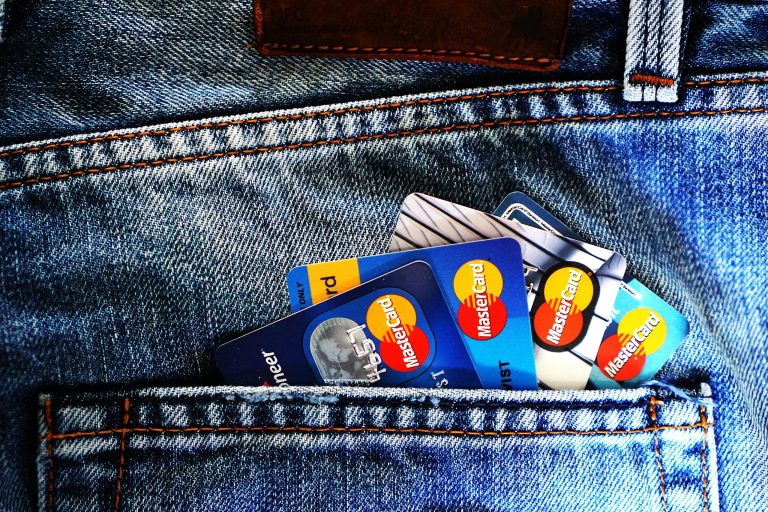
Choosing a first credit card is an important step for students who want to manage money wisely. A student card offers a way to learn financial responsibility while gaining access to useful benefits. The right choice depends on fees, rewards, and support for credit building. This guide explains the main factors, compares options, and provides examples to help first‑time users make informed decisions.
Student credit cards are designed for people with limited credit history. They usually have lower credit limits and fewer requirements than standard cards. These features make them accessible to students who are just starting their financial journey. The main advantage is the chance to establish a credit record early. A good record helps with future loans, apartment rentals, and even job applications.
Key Features to Consider
When evaluating student credit cards, focus on the following factors:
- Annual fees: Many student cards have no annual fee, which reduces cost.
- Interest rates: A lower rate makes it easier to manage balances if payments are delayed.
- Rewards programs: Some cards offer cash back on categories like groceries or gas.
- Security features: Fraud protection and mobile alerts help students stay safe.
- Credit reporting: Cards that report to all three major bureaus support credit building.
These features should be reviewed before applying. A card that balances affordability, rewards, and security is usually the best choice for beginners.
Examples of Popular Student Credit Cards
Several banks and financial institutions provide student cards with different strengths.
- Discover it Student Cash Back
- Offers rotating cash back categories.
- Provides a reward match at the end of the first year.
- No annual fee.
- Chase Freedom Student
- Gives a flat cash back rate on all purchases.
- Includes a small annual bonus for account anniversaries.
- Reports to major credit bureaus.
- Bank of America Travel Rewards for Students
- Focuses on travel points.
- No annual fee.
- Useful for students who plan trips or study abroad.
- Capital One Quicksilver Student Cash Rewards
- Provides unlimited cash back on every purchase.
- Offers access to credit monitoring tools.
- Simple structure for beginners.
Each card has strengths and weaknesses. Students should compare based on personal spending habits.
Benefits of Student Credit Cards
Student cards provide more than access to credit. They help students learn financial discipline. Benefits include:
- Building a credit history from a young age.
- Learning to manage monthly payments.
- Gaining rewards that reduce everyday expenses.
- Accessing fraud protection and account alerts.
These benefits make student cards valuable tools for financial education.
Risks to Watch
While student cards are helpful, they carry risks if misused. Common issues include:
- Overspending due to easy access to credit.
- Carrying balances that lead to high interest charges.
- Missing payments that damage credit scores.
- Applying for too many cards at once.
Students should be aware of these risks and avoid them by practicing discipline.
Best Practices for First-Time Users
To maximize benefits and reduce risks, follow these steps:
- Pay on time: Always make payments before the due date.
- Keep balances low: Use less than 30 percent of the credit limit.
- Review statements: Check for errors or unauthorized charges.
- Use rewards wisely: Apply cash back or points to reduce costs.
- Limit applications: Start with one card and manage it well.
These practices help students gain confidence in managing credit.
Smart Habits for Everyday Use
A student credit card is most effective when paired with daily habits that reinforce discipline. These habits help students avoid mistakes and gain confidence in financial management.
- Track spending: Review purchases weekly to understand where money goes.
- Set reminders: Use phone alerts to avoid missing payment dates.
- Plan budgets: Allocate funds for food, transport, and study materials before using the card.
- Use credit for essentials: Focus on necessary expenses rather than impulse buys.
- Check credit reports: Request free reports each year to monitor progress.
These habits transform a card from a simple payment tool into a learning resource. Students who practice them gain control over finances and prepare for future responsibilities.
Student credit cards are useful for first‑time users who want to learn financial responsibility. They provide access to credit, rewards, and fraud protection while helping students establish a record for the future. The best choice depends on fees, rewards, and personal spending habits. With careful use, a student card becomes a valuable tool for building credit with responsible card use.