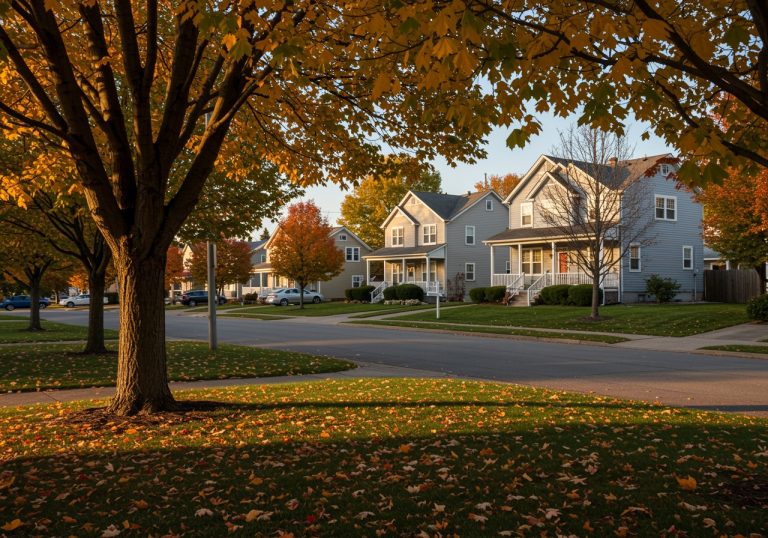
Finding safe, stable, and affordable housing can feel overwhelming, especially when rents continue to rise across the United States. The good news is that there are real housing programs designed to help individuals and families access affordable options without sacrificing basic needs.
Affordable housing isn’t limited to public housing projects. Today, there are multiple pathways to lower rent, financial support, and long-term housing stability — and many are available based on income, family size, disability status, or temporary financial hardship.
🏠 1. Housing Choice Vouchers (Section 8)
The Housing Choice Voucher Program, commonly known as Section 8, helps eligible households afford rental units in the private market. Instead of limiting you to certain complexes, vouchers allow you to choose from approved homes, apartments, or townhomes where landlords accept vouchers.
📌 Learn more & apply through HUD:
https://www.hud.gov/topics/housing_choice_voucher_program_section_8
✔ Can be used in private market
✔ Rent is based on income
✔ Waitlists may apply, but worth joining
🏘 2. Public Housing Units
Public housing includes apartments or housing complexes owned by local housing authorities. Rent is typically capped at a percentage of income, which makes it a stable and secure option for those with limited earnings.
📌 Find public housing options in your area:
https://www.hud.gov/program_offices/public_indian_housing
✔ Income-based rent
✔ Wide range of unit types
✔ Managed by local agencies
🏡 3. Affordable Housing Through Local Authorities (PHA)
Local Public Housing Agencies (PHAs) manage multiple housing programs, including rent subsidies, emergency housing, and landlord partnerships. Contacting your local PHA is often the fastest way to find what’s available in your region.
📌 Locate your local housing agency:
https://www.hud.gov/program_offices/public_indian_housing/pha/contacts
✔ Region-specific programs
✔ Applications for multiple options at once
✔ Local staff available to answer questions
🏢 4. Low-Income Housing Tax Credit (LIHTC) Properties
LIHTC housing offers reduced rent in apartments built under a special tax incentive. These units are privately owned but reserved specifically for low-income households.
📌 Search for LIHTC affordable rental properties:
https://resources.hud.gov
✔ Not limited to public housing
✔ Often newer or recently renovated
✔ Lower rent than market rates
🛑 5. Emergency Rental & Housing Help
If you are at risk of eviction or homelessness, emergency housing assistance may be available. These programs offer rapid support, sometimes including temporary housing or urgent rental payments.
📌 Find emergency rental assistance by ZIP code:
https://www.consumerfinance.gov/renthelp
❗ Contact local agencies quickly if facing eviction — earlier communication leads to more options.
🏘 6. Affordable Housing from Nonprofits & Community Groups
Some nonprofit organizations offer low-cost rentals or housing grants for households in need.
Nationwide organizations include:
| Organization | Type of Help | Link |
|---|---|---|
| Habitat for Humanity | Affordable homeownership | https://www.habitat.org |
| Catholic Charities | Rental support & assistance | https://www.catholiccharitiesusa.org/find-help/ |
| Salvation Army | Housing & utility support | https://www.salvationarmyusa.org/usn/ssl-page.aspx?pid=23 |
| JustShelter | Eviction & housing resources | https://www.justshelter.org |
💬 Tips When Applying for Affordable Housing
You may be asked for:
✔ Proof of income or unemployment
✔ ID and household information
✔ Rental history (varies)
✔ Waitlist registration
📌 Get on waitlists even if they are long. Many applicants find assistance sooner than expected due to cancellations and regional shifts.
🔎 Final Thoughts
Affordable housing programs exist to provide stability, not temporary fixes. Whether you’re struggling with high rent, need a more secure living situation, or are looking for a long-term solution for your family, taking the time to explore these resources could make a real difference in your housing journey.
Being proactive — even during hardship — can open doors to options that reduce financial stress and protect your home.