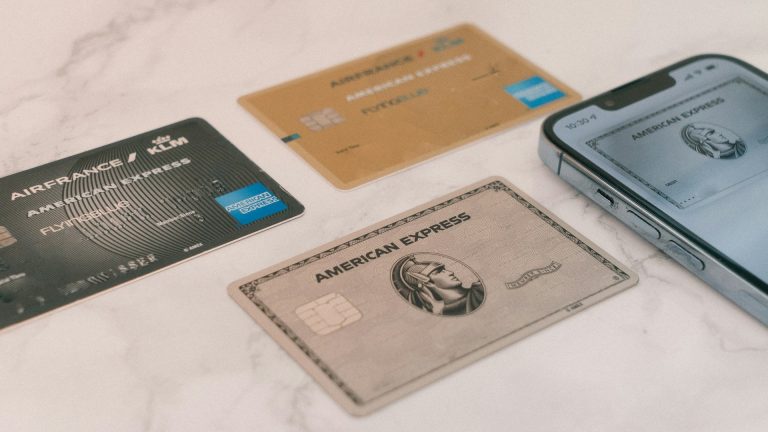
Credit cards can be powerful tools for building a strong financial foundation when used wisely. They provide convenience, security, and the opportunity to establish a positive credit history. However, misuse can lead to debt and long‑term damage to your credit score. The key is to understand how credit cards work and to adopt habits that demonstrate responsibility to lenders.
Your credit score influences many aspects of your financial life. Lenders use it to decide whether to approve loans, landlords may check it before renting apartments, and employers sometimes review it during hiring processes. A strong score can save you thousands of dollars in interest over time, while a weak score can limit opportunities. Credit cards are one of the most accessible ways to build and maintain that score.
Step 1: Start with the Right Card
If you are new to credit, consider starting with a secured card. These require a deposit that acts as collateral and sets your credit limit. Over time, responsible use can lead to approval for unsecured cards with higher limits and rewards. If you already have some credit history, choose a card that matches your spending habits, whether it is a flat‑rate cash back card or one with category bonuses.
Step 2: Pay on Time, Every Time
Payment history is the most important factor in credit scoring. Even one late payment can remain on your credit report for years. To avoid mistakes, set up automatic payments or calendar reminders. Paying on time consistently shows lenders that you are reliable and reduces the risk of interest charges and fees.
Step 3: Keep Balances Low
Credit utilization, or the percentage of your available credit that you use, is another major scoring factor. Experts recommend keeping utilization below 30 percent, and lower is better. For example, if your limit is $1,000, aim to keep your balance under $300. Paying balances in full each month is the best way to demonstrate control and avoid interest.
Step 4: Limit New Applications
Each time you apply for a new credit card, the issuer performs a hard inquiry on your credit report. Too many inquiries in a short period can lower your score and signal risk to lenders. Apply strategically, focusing on cards that align with your financial goals rather than chasing every offer.
Step 5: Monitor Your Credit
Regular monitoring helps you track progress and catch errors. According to the Federal Trade Commission, one in five consumers has an error on at least one of their credit reports. Disputing inaccuracies can prevent unfair damage to your score. Knowing how often to check credit reports is important: at least once a year is recommended, but quarterly reviews provide better oversight.
Step 6: Use Rewards Wisely
Many credit cards offer rewards such as cash back, points, or miles. While these perks are valuable, they should never encourage overspending. Treat rewards as a bonus rather than a reason to make unnecessary purchases. Responsible use means focusing on building credit first and enjoying rewards second.
Step 7: Keep Old Accounts Open
Length of credit history contributes to your score. Closing old accounts can shorten your history and reduce your available credit, both of which may lower your score. Even if you no longer use a card frequently, keeping it open can strengthen your profile. Just be sure to monitor it for inactivity fees or fraud.
Step 8: Balance Debt Types
Credit scoring models consider the mix of credit accounts you hold. Having both revolving accounts, like credit cards, and installment loans, such as auto or student loans, shows lenders you can manage different types of debt. While you should never take on debt just to diversify, understanding this factor helps you see how credit cards fit into the bigger picture.
Common Mistakes to Avoid
- Carrying a balance unnecessarily: Interest charges add up quickly and do not improve your score.
- Paying only the minimum: This keeps your account in good standing but leaves balances high.
- Ignoring statements: Review monthly statements to catch errors or fraudulent charges.
- Closing cards impulsively: This can reduce your available credit and shorten your history.
Example
Imagine a student with a secured card and a $500 limit. By charging $100 monthly for groceries and paying the balance in full, the student keeps utilization low and builds a positive payment history. After a year of consistent use, the issuer may offer an unsecured card with higher limits and rewards. This simple routine demonstrates how responsible habits lead to stronger credit.
Credit cards are more than payment tools; they are gateways to financial opportunity when used responsibly. By paying on time, keeping balances low, limiting applications, and monitoring your reports, you can steadily build a strong credit profile. Avoid common mistakes, treat rewards as a bonus, and keep older accounts open to maximize your score. With discipline and awareness, credit cards become a foundation for long‑term financial success.