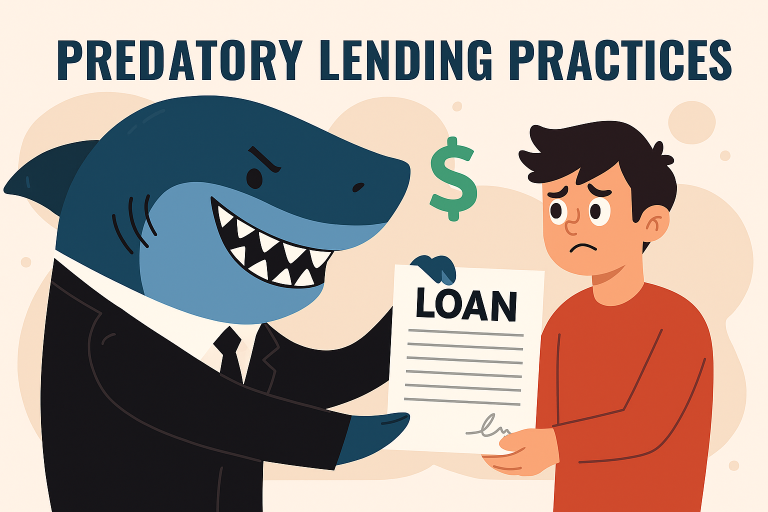
Debt consolidation can be a smart strategy for individuals juggling multiple credit card balances or high‑interest loans. By combining debts into a single personal loan, borrowers simplify repayment and often secure lower interest rates. The key is choosing the right loan option that balances affordability, flexibility, and accessibility. This guide explores the best personal loan options for debt consolidation and how to evaluate them effectively.
Managing multiple debts can be overwhelming. Different due dates, varying interest rates, and compounding balances make repayment complicated. Debt consolidation addresses these challenges by rolling debts into one loan with a fixed interest rate and predictable monthly payments. This approach reduces stress, improves financial organization, and can save money over time.
According to the Federal Reserve, the average credit card interest rate in the U.S. exceeded 20 percent in 2023, making consolidation loans with lower rates an attractive alternative for borrowers seeking relief.
Key Factors to Consider
Before choosing a personal loan for debt consolidation, evaluate these factors:
- Interest rate – Lower rates reduce overall costs.
- Loan term – Shorter terms save money but require higher monthly payments.
- Fees – Watch for origination fees, late fees, or prepayment penalties.
- Eligibility – Credit score, income, and debt‑to‑income ratio affect approval.
- Flexibility – Some lenders allow direct payment to creditors, simplifying consolidation.
Best Personal Loan Options
Online Lenders
Online lenders have become popular for debt consolidation due to their speed and convenience. Many offer prequalification tools that let you check rates without impacting your credit score.
Pros:
- Fast approval and funding.
- Transparent terms and competitive rates.
- User‑friendly digital platforms.
Cons:
- Rates vary widely depending on creditworthiness.
- Some charge origination fees.
Online lenders are ideal for borrowers who want quick access to funds and prefer managing loans digitally.
Credit Unions
Credit unions often provide lower interest rates than banks because they are member‑owned and nonprofit. They may also be more flexible with approval criteria, making them a strong option for borrowers with fair credit.
Pros:
- Lower rates and fewer fees.
- Personalized customer service.
- Community‑focused lending practices.
Cons:
- Membership required.
- Limited digital tools compared to online lenders.
Credit unions are best for borrowers who value personal relationships and want affordable loan terms.
Traditional Banks
Banks remain a reliable source for personal loans. They often provide competitive rates for existing customers and may offer perks such as automatic payment discounts.
Pros:
- Established reputation and security.
- Potential discounts for loyal customers.
- Wide range of loan products.
Cons:
- Stricter eligibility requirements.
- Longer approval processes.
Banks are suitable for borrowers with strong credit histories who want the stability of a traditional institution.
Peer-to-Peer Lending Platforms
Peer‑to‑peer (P2P) platforms connect borrowers directly with investors. These platforms often provide flexible terms and competitive rates, especially for borrowers with good credit.
Pros:
- Innovative approach to lending.
- Potentially lower rates than traditional lenders.
- Transparent online process.
Cons:
- Rates can be high for borrowers with poor credit.
- Limited customer support compared to banks.
P2P loans are best for tech‑savvy borrowers comfortable with nontraditional lending models.
Specialized Debt Consolidation Loans
Some lenders offer loans specifically designed for debt consolidation. These loans may include features such as direct payment to creditors or financial counseling services.
Pros:
- Tailored to debt consolidation needs.
- Simplifies repayment by paying creditors directly.
- May include educational resources.
Cons:
- Limited availability.
- Terms may be less flexible than general personal loans.
These loans are ideal for borrowers who want a streamlined consolidation process with added support.
Tips for Choosing the Right Loan
- Compare multiple lenders to find the best rates.
- Check for hidden fees before signing.
- Use prequalification tools to estimate eligibility.
- Consider whether direct payment to creditors is offered.
- Focus on qualifying for low-interest loans to maximize savings.
Risks and Trade-Offs
Debt consolidation is not a cure‑all. Borrowers must avoid accumulating new debt after consolidating, or they risk worsening their financial situation. Additionally, extending loan terms may reduce monthly payments but increase total interest costs. Careful planning and disciplined budgeting are essential to make consolidation successful.
Personal loans for debt consolidation provide a pathway to financial stability by simplifying repayment and reducing interest costs. Online lenders offer speed and convenience, credit unions provide affordability, banks deliver reliability, P2P platforms add innovation, and specialized loans streamline the process. By comparing options, evaluating eligibility, and focusing on long‑term discipline, borrowers can choose the loan that best fits their lifestyle and financial goals. With the right strategy, debt consolidation becomes a powerful tool for regaining control and building a healthier financial future.